The way you use your credit card will determine your overall financial health. Using credit cards responsibly will ensure that you do not take on too much high-interest debt. And this is important if you want to avoid hurting your credit score.
Credit cards need to be used responsibly if you want to avoid falling into a debt hole. One misstep or wrong decision regarding the use of credit cards can have serious and long lasting effects on your finances. Below are 3 credit card mistakes that you should avoid at all costs in order for you to remain financially stable and successful.
Avoid the Temptation of Using Credit Cards to Purchase ...
Read More...
Tips for Maintaining Good Credit
There are many ways you can maintain a good credit score. One of the key points is to always be aware of your credit usage, credit score and your financial spending. Following these guidelines will help you maintain good credit and allow you to continue living a financially helpful lifestyle.
Control Your Spending!
This does not apply just to credit cards, but for everything you do. The temptations are always there.to overspend on that new pearl neckless or a new car, because it has options your current car doesn’t have. Be smart and money-wise. You never know when an unexpected financial emergency might happen that could change your entire ...
Read More...
Has This Happened to You?
A typical Scenario of Financial Hardship
Todd is living a financially comfortable lifestyle, with a household gross income $85,000 per year. Todd is married and has two children. Both are attending middle school and they have made plans for a cruise vacation, which is coming next month. The travel agent has been fully paid in advance for the cruise.
In the interim, Todd's mother-in-law became ill and is hospitalized. The prognoses is that she will need to live in a nursing home, because she will need 24 hour care; however, they decide to bring her to home, as that would be the better option. After all, he has an extra bedroom.
Arrangements ...
Read More...
Closing Credit Card Account Dos & Don’ts
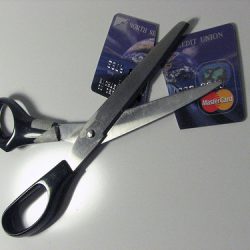
You are constantly getting offered new credit card accounts but, it’s important to not have too many. If you open a new account because of a lower interest rate or a promotional offer, you should always close a current account you are no longer using or are replacing. Closing unwanted old credit accounts has many benefits including:
Helps to keep track of credit cards
Lowers the amount of revolving debt, helping you qualify for more loans
Keeps your credit report cleaner
Helps you avoid unnecessary fees
Prevents identity theft
To help you understand what you should and should not do when closing old credit card accounts, here are a ...
Read More...
Which is Right For Me: A Credit Card, Charge Card or Debit Card?
The answer to this question all depends on how you intend on using it. Many assume the term “charge card” is interchangeable with “credit card,” when they are very different. In the simplest terms, credit cards allow you to carry debt every month but charge cards don’t – they require full payment every month. Therefore, you can’t use them to get into debt. You also cannot get into debt with a debit card, which is linked directly to your bank account. Basically, you can only spend with you have. Here are the highlights of all three:
CHARGE CARDS:
Charge cards are a good option for people who want the convenience of using plastic but know ...
Read More...
8 Tips for Coping with Stress and Anxiety About Debt
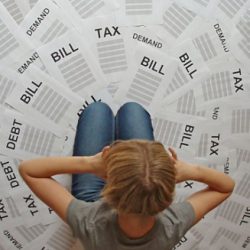
Does your debt feel like it is taking over your life? Has it caused you to lose sleep? Is it causing tension or arguments with your loved ones? I recently wrote a post addressing some of the things you can do to overcome debt anxiety. Here are eight tips that should help you cope with your debt and allow you to deal with the emotional and mental issues it causes.
Accept that your debt is a problem - Before you can truly tackle your debt and the associated stress and anxiety, you need to admit that it is a problem. Debt creeps up on many people, building slowly over time. Your debt may have grown from a small, manageable amount into ...
Read More...
Getting Relief from Anxiety about Credit Card Debt
Anyone who has found themselves behind on their bills knows how overwhelming the anxiety about debt can be. Just missing one payment can send your finances in a downward spiral of only paying off interest and fees and never making actual headway on the balance. Many experience anxiety about their current finances and don’t know who to ask for help with their stacks of bills. There are a number of ways to get relief from debt anxiety, and this week on my blog, Facebook and Twitter, I will be addressing the steps to make an informed decision about your finances when you find yourself in this situation.
The first thing to consider if you are ...
Read More...
10 Horrible Habits That Will Make a Mess of Your Finances
Many people that find themselves in debt seem to make some common financial mistakes that contribute to their debt problems. According to an article on MSN.com, there are ten bad financial habits that can lead to financial disaster:
Misuse of balance transfers - If you aren’t going to stop charging on your cards, transferring balances to lower interest cards won’t get you out of debt in the long run.
Disregarding your credit report because you think you can’t change it anyway - It is essential that you frequently check your credit report. Small errors made by your creditors could raise your interest rates, lower your credit score and ...
Read More...
What the New Credit Card Rules Mean for You
The Credit Card Accountability, Responsibility and Disclosure (CARD) Act was signed into law by President Obama in 2009 and has been fully in effect since August 2010. The CARD Act has changed the way credit card issuers market, bill and advertise their credit cards, which is taking away from their revenue. This change has benefited cardholders in many ways but also could eventually mean the return of annual fees, fewer rewards cards and payments due upon bill receipt with no more grace periods. Here are the important changes you should know about:
Clear Due Dates & Times
Card issuers can no longer set early morning deadlines for ...
Read More...
The Components of A Credit Score
Many lenders, such as banks and credit card companies use credit scores to evaluate the potential financial risk of giving a specific consumer a line of credit. A good credit score can mean lower interest rates or increased lines of credit. Most lenders start with your FICO score, which is a numerical figure based on previous and ongoing credit transactions. There are many components that can shape the results of your score, but there are five major factors that make a big difference:
Payment History
Creditors want to see that you have a history of paying your bills on time. Late payments will cause a score to drop considerably. In the ...
Read More...
 What Makes Me Different From the Others?